
Tag: neuroqueer learning spaces
-
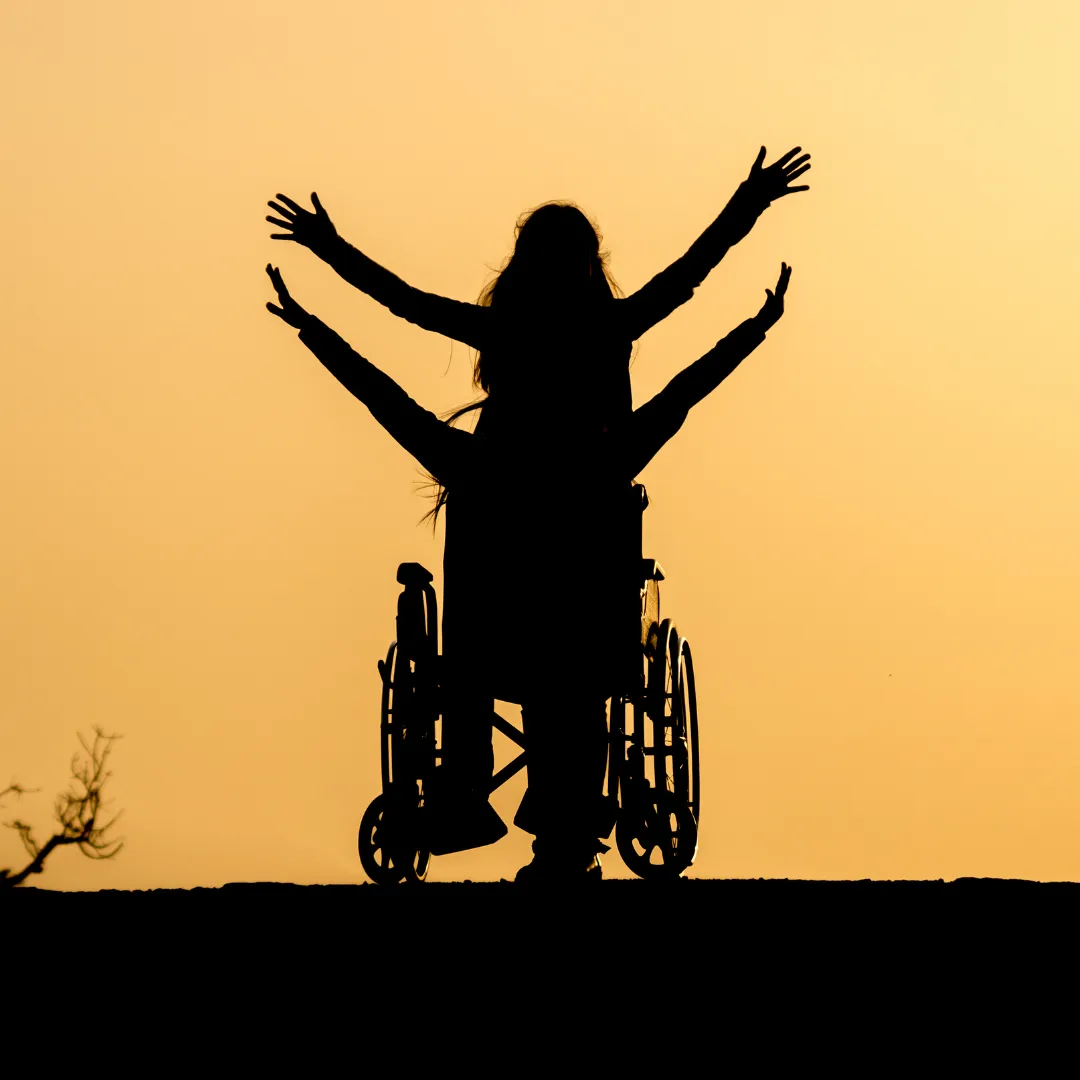
Cavendish Spaces For Multi-Sensory Learners and Those with Profound and Multiple Learning Disabilities
Cavendish learning spaces are based on flexibility, interaction, movement and the role of embodied responsive experiences. We reject the boundaries of traditional classroom settings and look at how they not only restrict embodied experiences but lead to disembodied experiences and can cause harm.
-

Cavendish Space, NeuroTribes, and Steve Silberman
Cavendish Space: psychologically and sensory safe spaces suited to zone work, flow states, intermittent collaboration, and collaborative niche construction. The Life of Henry Cavendish DESPITE HIS ECCENTRIC COUTURE and the strange totem rising from his backyard, Henry Cavendish was not a wizard. He was, in eighteenth-century terms, a natural philosopher, or what we now call…
-

Is there a version?
Is there a version? [This is adapted from a blog post of the same name available online at http://theeverythingiknow.substack.com. The blog is subscriber-only, but subscriptions are free.] During the first UK-wide coronavirus lockdown, there was a television programme called Staged. It involved David Tennant and Michael Sheen, amongst others, playing fictionalised versions of themselves, talking to each…
-

Home Education and De-dogmatising
I first became interested in home education not long after my first child was born. It seemed the natural follow-on from the style of parenting I’d come to embrace (at the time known as ‘attachment parenting’). Typically for an autistic person (although at the time I had no clue I was autistic) I did what…
-
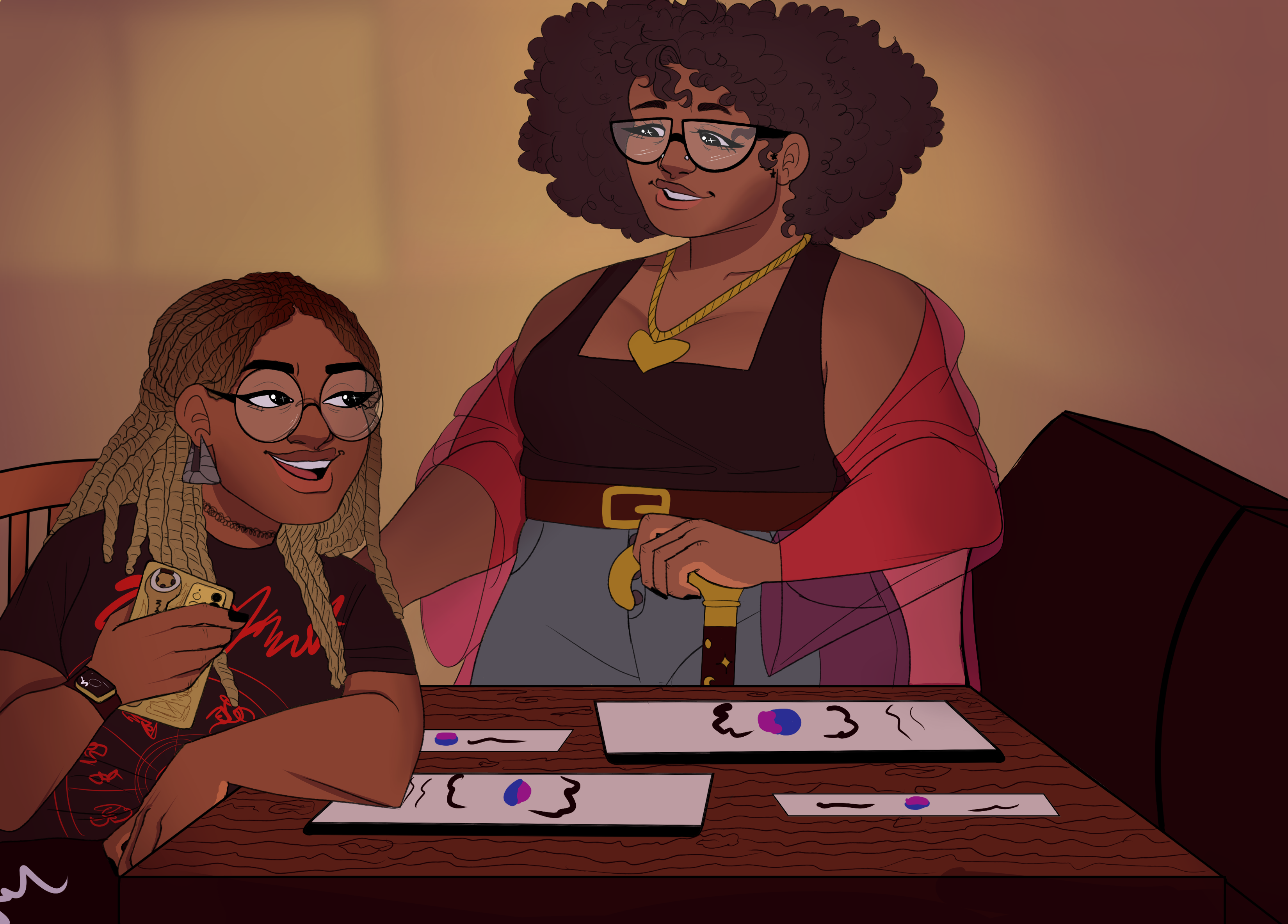
Tapping the Radical Roots of Peer Support
*Disclaimer: this essay is only intended to represent my own opinions and experiences, and is not reflective of any of my past/present employers – nor is it intended to speak as a monolith on behalf of peer support workers, autistic people, or any other mentioned communities/identities/political movements. I am a queer/trans/autistic young adult, currently working…
-

An Open Framework For Neuroqueer Learning Spaces
In Neuroqueer Heresies, Nick Walker (2021) describes embracing neuroqueering as a verb. When considering Neuroqueer Learning Spaces, we need to reinterpret, rethink, redefine, and reimagine what those spaces may look like and the journey required to be able to facilitate them. We are considering whether we can use the template Walker created for designing autism courses as a template for…
-

Can we trust?
Can we trust? Can we trust the space you offer?Can we trust the words you utter? Can we trust the time decided?Can we trust the form provided? Can we trust your singular view?Can we trust the treatment we receive from you? Can we trust the way you perceive?Can we trust you to sit, listen and receive? Can we…
-

Neuroqueering Child Psychotherapy
Peering out from the edge of a lake. The water is still, but lapping restlessly. What lies beneath? I am eager to know but alone on the edge of the lake. A hood covers my features. I take a step into the oddly warm water. It laps against my feet, staining my shoes with a…
-

Neuroqueering from the Inbetween
“The growing cracks in the thin veneer of our “civilised” economic and social operating model are impossible to ignore”, Jorn Bettin (2020). As a late-diagnosed autistic person, I feel a massive disconnect with the world around me. I am living in the ‘gap’ between so many spaces but also feel the potential of neuroqueering and transforming what…
-
A Short Rumination on Our Journey to Neuroqueer Learning Spaces
We fought for the right to learn differently, and lost. The journey was instructive. We found ourselves along the way. We found community among other neurodivergent and disabled people. We found vocabulary, vocabulary like “neurodiversity”, “neurodivergent”, “neurotypical”, and, more recently, “neuroqueer”. …intentionally liberating oneself from the culturally ingrained and enforced performance of neuronormativity can be…
-
The Path to Equity Begins with Neuroqueer-Sensitive Learning Spaces
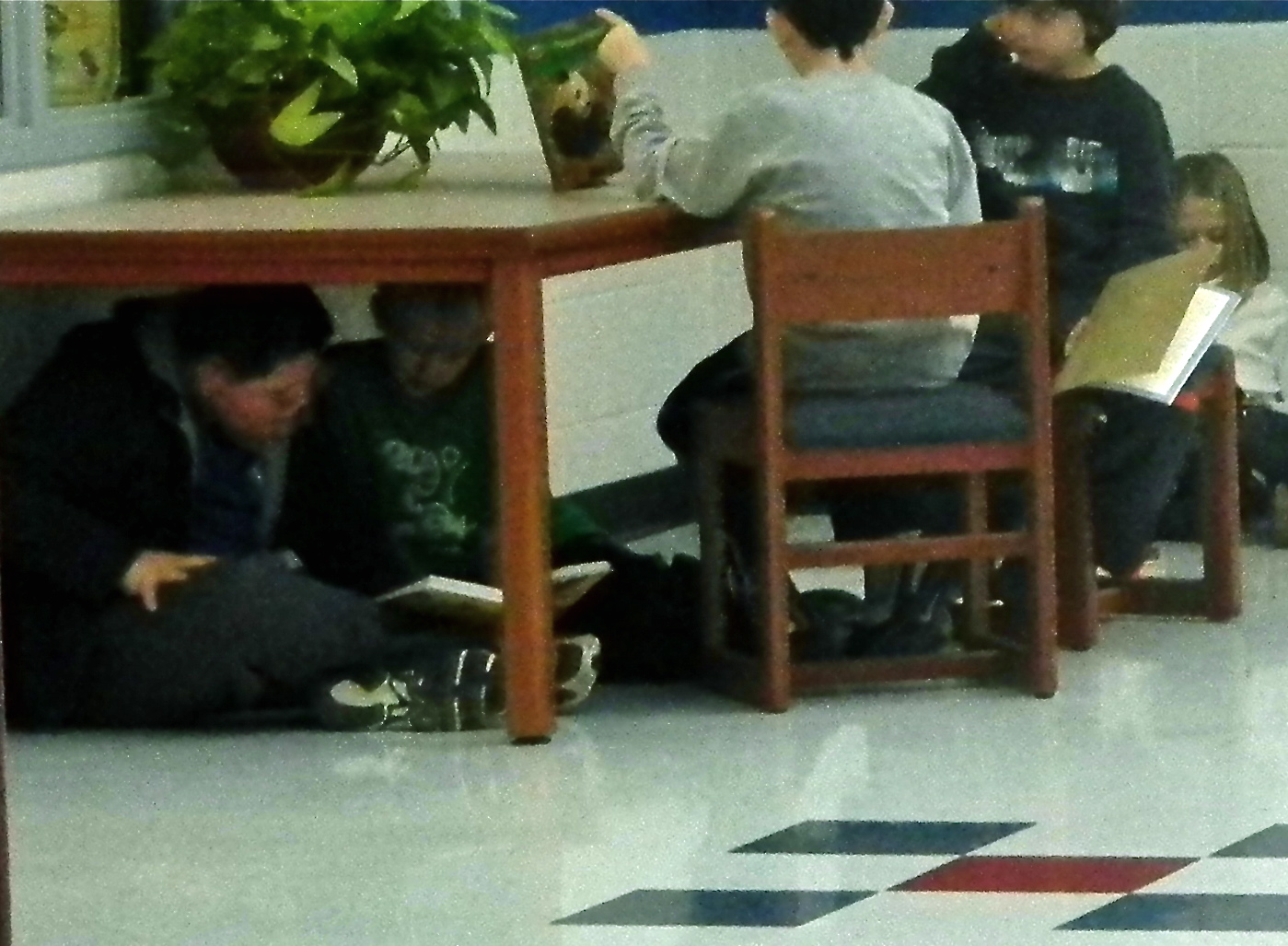
If you tell me where or how to sit, I’m unlikely to do either. If you tell me that I can’t leave a room, I will leave – absent serious restraints – and I won’t come back. If you cover up the windows, or if there are no windows, I will leave and not come…