
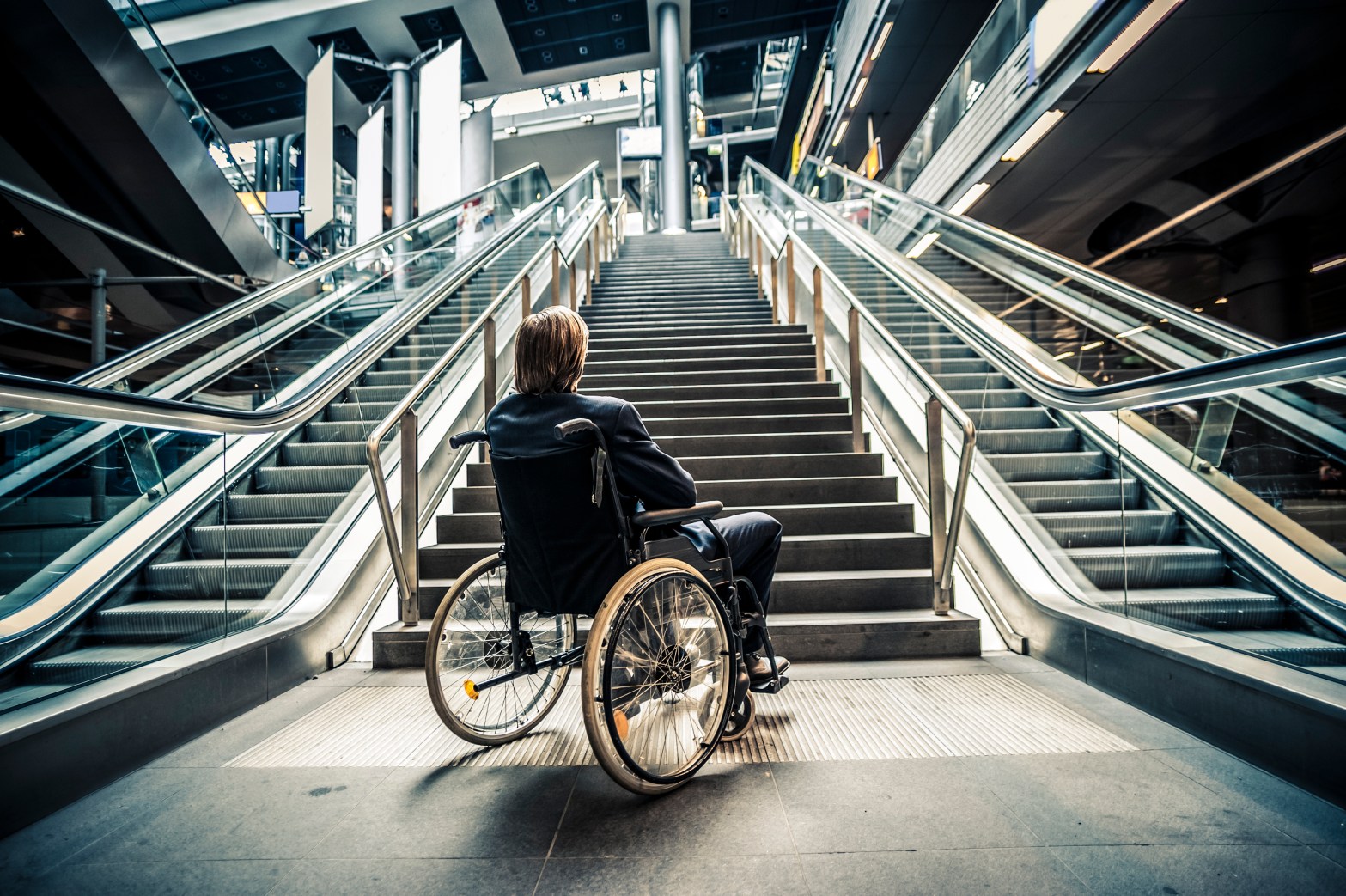

We’re also tired of repeatedly asking events to foreground accessibility, rather than treating it as an afterthought, or expecting us to come in and clean up their inaccessible mess.
Dignity is not a nice idea. It’s the foundation of access. If dignity isn’t built into how we teach, how we work, how we design, and how we relate, then everything else — from compliance culture to “best practices” — will still leave people behind.
Enable Dignity is a pathway for educators, designers, administrators, and community builders who want to move beyond polite accommodation and toward humane infrastructure. Here, we unpack how environments signal worth, how power shapes participation, and how to design conditions where people don’t have to contort themselves to belong.
This pathway places dignity at the center of access:
- We presume competence — not as a slogan, but as design practice.
- We reject deficit models and compliance logic.
- We build environments that support regulation, autonomy, and real participation.
- We teach tools that shift systems, not just behaviors.
Whether you work in schools, workplaces, community spaces, or online platforms, this pathway offers clear, grounded frameworks for enabling dignity — not through compliance, but through design.
Dignity is not a request. It’s infrastructure.
This pathway shows you how to build it.
About Learning Pathways
A learning pathway is a route taken by a learner through a range of pages, modules, lessons, and courses to build knowledge progressively.
Pathways don’t need to be traversed in order. Pick what looks interesting. Choose your own adventure.
Enable Dignity
Dignity is not a vibe. It’s not a bonus. It’s the baseline condition for access. To enable dignity is to build environments where people don’t have to beg, mask, or endure harm to belong. This pathway is about shifting from compliance and charity toward humane infrastructure — design that presumes competence, supports nervous systems, and treats disabled and neurodivergent people as full humans from the start.
- Enable Dignity: Everywhere Should Be Accessible
- Neuroception and Sensory Load: Our Complex Sensory Experiences
- Perceptual Worlds and Sensory Trauma
- Making Spaces Safer: Bodymind Affirmation and Access Intimacy
Education Access
Education access is not just ramps and IEPs. It’s learner safety, sensory reality, flexible pacing, and multiple ways to participate without punishment. Disabled and neurodivergent students are too often managed instead of supported. This section explores how to design classrooms and learning systems that honor spiky profiles, reduce coercion, and make belonging possible before performance.
- Education Access: We’ve Turned Classrooms Into a Hell for Neurodivergence
- We Don’t Need Your Mindset Marketing: Education Technology and the New Behaviorism
- Fix Injustice, Not Kids: Justice, not grit. Justice, not growth mindset. Justice, not behavior “management.” Justice, not rearrangement of injustice.
Healthcare Access
Healthcare access is dignity in the most literal sense: being believed, being cared for, and not being harmed by the system meant to help. Disabled people face dismissal, gatekeeping, and pathologization, especially across race, gender, and class. This section centers epistemic justice in medicine — care that respects lived experience, consent, communication difference, and the need for environments that do not punish disability.
- Healthcare Access: They don’t take Disability Studies classes. They don’t socialize with us. They don’t listen to us.
- We Need Human-Centered Healthcare
Interaction Access
Access is relational. It lives in how we treat each other, how we welcome newcomers, how we handle misunderstanding, and how we respond to distress. Interaction access means building cultures where people can regulate, set boundaries, ask for what they need, and participate without social coercion. This section focuses on prosocial norms, restorative practices, and community conditions that enable dignity.
Communication Access
Communication is not one narrow style. Speech is not the only valid channel. Disabled and neurodivergent people communicate through many modes, rhythms, and supports. Communication access means honoring AAC, processing time, directness, quiet, alternative formats, and non-linear expression. This section helps shift from “appropriate communication” to accessible communication — where understanding is mutual work.
Technology Access
Technology can be liberation or exclusion, depending on how it’s built. Accessible technology reduces cognitive load, supports sensory needs, enables autonomy, and expands participation — especially for people who are otherwise locked out. This section explores disability-first design, ADHD-friendly structure, open tools, and the principle that access is infrastructure, not an afterthought.
Take The Journey to Dignity
Enabling dignity is not a checklist. It’s a journey of re-framing: from fixing individuals to changing conditions, from compliance to care, from scarcity to mutuality. This pathway invites you into a practice of building spaces — in schools, clinics, workplaces, and communities — where disabled and neurodivergent people can live and learn without erasure.
Dignity is not a request. It’s the ground we stand on.






Enable Dignity
Real inclusive organizing should at a minimum include: Incorporating disability into your values or action statements; having disabled people on the organizing committee or board; making accessibility a priority from day one; and listening to feedback from disabled people.

Education Access
We have turned classrooms into hell for neurodivergence. Students with conflicting sensory needs and accommodations are squished together with no access to cave, campfire, or watering hole zones. This sensory environment feeds the overwhelm-> meltdown -> burnout cycle. Feedback loops cascade.
Healthcare Access
They don’t take disability studies classes.
They don’t socialize with us.
They don’t listen to us.
Wanted: hospitals and doctors’ offices that…

Interaction Access
Color Communication Badges (aka Interaction Badges) are an accommodation to support social interaction for people with a variety of disabilities and communication needs.

Communication Access
“Written communication is the great social equalizer.” It allows us to participate and be a part of things bigger than ourselves.

Technology Access
Our multi-age learning community sets up and runs our organization. We don’t use learning management software. Instead, our learners use the professional tools of a modern, neurodiverse organization, without all the ed-tech surveillance baked in. We use technology to co-create paths to equity and access with our learners.


