
Accommodation is often treated like a private exception: a special request, a personal burden, a favor granted by the powerful. We reject that framing.
Neurodivergent and disabled people do not have “special needs.” We have human needs, expressed through natural variation in bodies, minds, attention, sensory processing, energy, and communication. The question is not whether people are “too much.” The question is whether environments are too narrow.
This series is our case for mutual accommodation. It moves from sensory worlds to classrooms to exam rooms to the mechanics of how we talk to each other — and through all of it, holds the same position: difference is ordinary, and meeting human variation together is how we build a world that holds us.
The Series
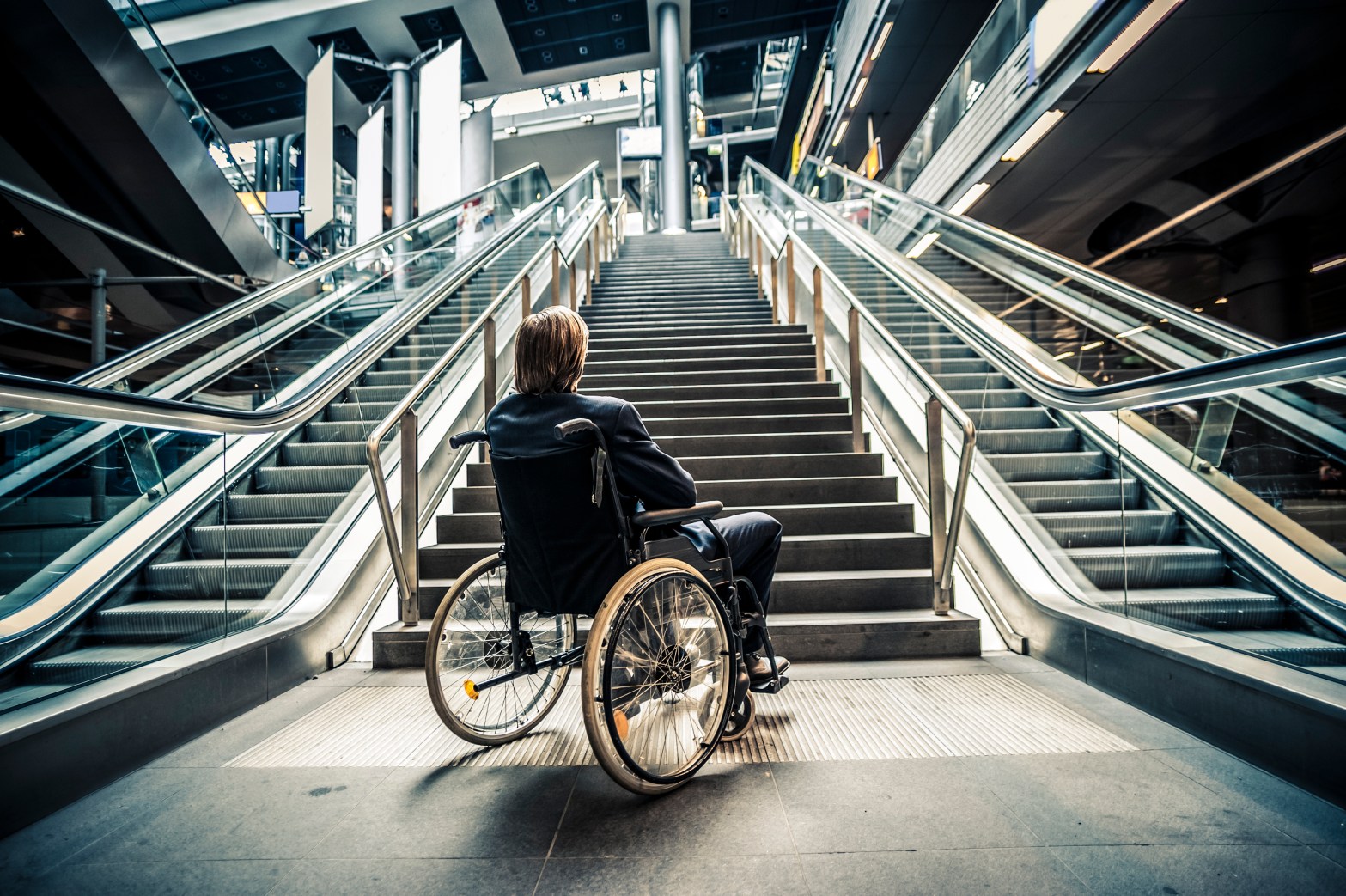
Enable Dignity: Everywhere Should Be Accessible
Real inclusive organizing should at a minimum include: incorporating disability into your values or action statements; having disabled people on the organizing committee or board; making accessibility a priority from day one; and listening to feedback from disabled people.
- Neuroception and Sensory Load: Our Complex Sensory Experiences
- Perceptual Worlds and Sensory Trauma
- Making Spaces Safer: Bodymind Affirmation and Access Intimacy
Education Access: We’ve Turned Classrooms Into a Hell for Neurodivergence
We have turned classrooms into hell for neurodivergence. Students with conflicting sensory needs and accommodations are squished together with no access to cave, campfire, or watering hole zones. This sensory environment feeds the overwhelm → meltdown → burnout cycle. Feedback loops cascade.
- Education Series Overview: Broken System, Marketed Fix, Justice Path
- We Don’t Need Your Mindset Marketing: Education Technology and the New Behaviorism
- Fix Injustice, Not Kids: Justice, not grit. Justice, not growth mindset. Justice, not behavior “management.” Justice, not rearrangement of injustice.
Healthcare Access: They don’t take Disability Studies classes. They don’t socialize with us. They don’t listen to us.
They don’t take disability studies classes. They don’t socialize with us. They don’t listen to us. Wanted: hospitals and doctors’ offices that center disabled patients rather than managing them.
Interaction Access: Opportunity but Not Pressure
Color Communication Badges (aka Interaction Badges) are an accommodation to support social interaction for people with a variety of disabilities and communication needs. Access means opportunity without obligation — the chance to engage on your own terms, at your own pace, without penalty for stepping back.
Communication Access: Written Communication Is the Great Social Equalizer
“Written communication is the great social equalizer.” It allows us to participate and be a part of things bigger than ourselves. Access to written communication is access to voice, presence, and belonging.
Technology Access: Open Source Communication and Indie Ed-Tech
Our multi-age learning community sets up and runs our organization. We don’t use learning management software. Instead, our learners use the professional tools of a modern, neurodiverse organization, without all the ed-tech surveillance baked in. We use technology to co-create paths to equity and access with our learners.
Access is not something you earn by working harder. Access is what makes work, care, learning, and belonging possible. If your space isn’t accessible, it’s not neutral — it’s exclusionary.
What integration looks like in practice — and why it isn’t enough — comes through in parent testimony from a 2026 UK study on school distress:
“No one is actually prepared to make schools more inclusive places. They just want to integrate more kids with SEND into them.”
Integration places neurodivergent and disabled people inside systems built for someone else and calls it done. This series is about the other thing.
Mutuality means access is not one-directional. It’s not disabled people asking to be included while everyone else stays unchanged. It’s everyone participating in the work of shaping conditions — collaborative niche construction, shared care, shared responsibility.
This is access as solidarity, not exception.