
Blog
-

The Monotropism Questionnaire Is Going Viral
The recently published “Monotropism Questionnaire” has gone viral on TikTok. Header art: “Flow” by Betsy Selvam is licensed under CC BY-NC 4.0 Our Monotropism pages at stimpunks.org are getting a corresponding spike in traffic. Likewise monotropism.org. Below, we gather context and helpful links to monotropism’s viral moment, including an important caveat from the questionnaire’s authors: the questionnaire should…
-
Le questionnaire sur le monotropisme devient viral
-
Frågeformuläret om monotropism blir viralt
-
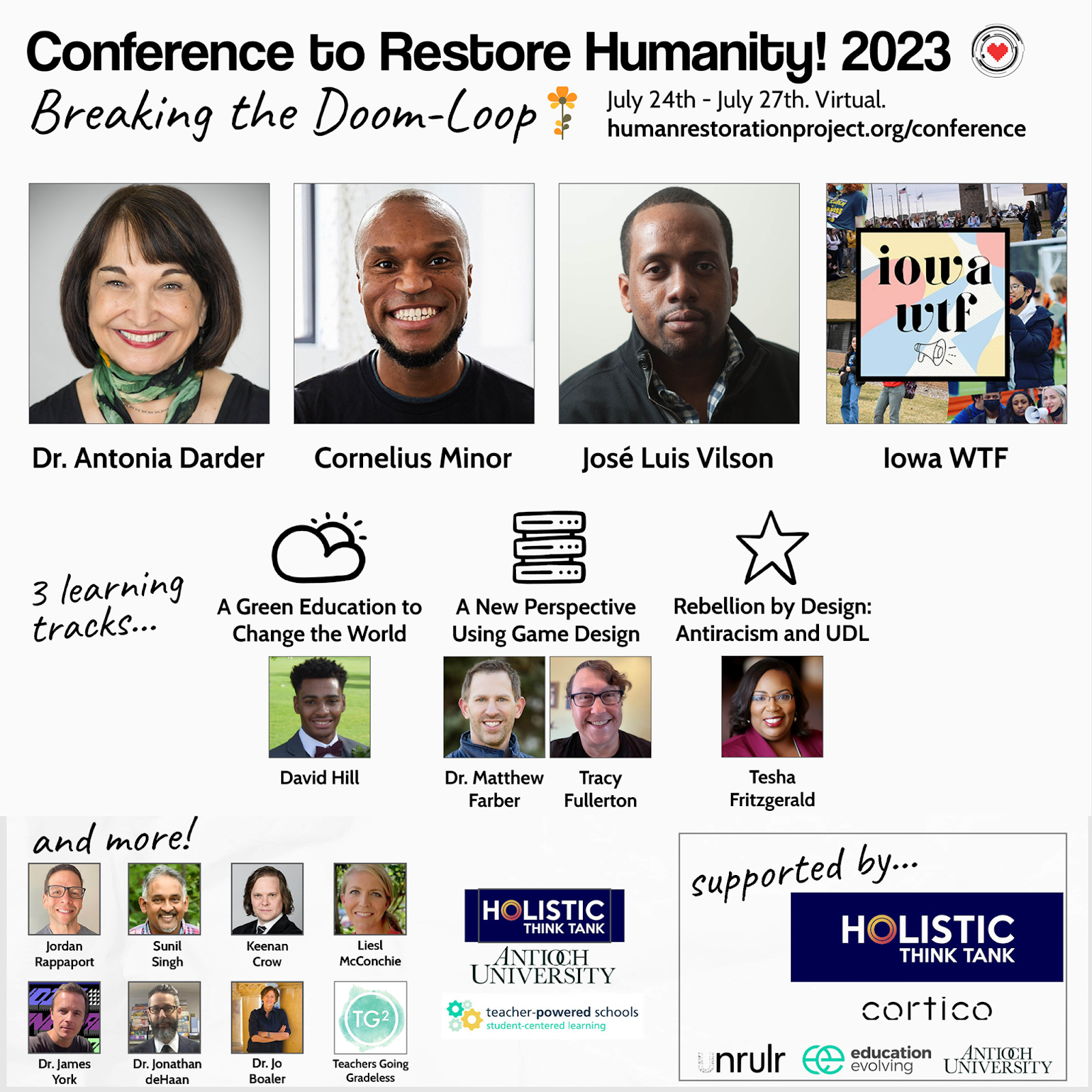
Stimpunks Invites You to Join Us Online at the Conference to Restore Humanity 2023 on July 24th
We were at last year’s Conference to Restore Humanity and are attending again this year. This online conference includes us like no other. Now we have the opportunity and understanding to move from emergency pandemic remote school and its pantomime of learning to purposefully designed online education spaces that are accessible, sustainable, and representative of the communities…
-

This Is My Space: Collaborative Niche Construction in Psychologically Safe Space
This is my space. It allows me to have control over one small part of a traumatic and offensive world. AuDHD and me: My nesting habits – Emergent Divergence I love that quote from David Gray-Hammond at Emergent Divergence. It nicely distills our Cavendish Space and collaborative niche construction advocacy. I added the quote to…
-

This Is Not About Me: The Journey from Patient to Agent and the Fight for Educational Inclusion
What is it like to be autistic and non-speaking in a world that has already made up its mind about you? This Is Not About Me tells the story of Jordyn Zimmerman. Jordyn dreamt of becoming a teacher. She started out eager to learn at school, but she was soon separated from the other children.…
-

Lone Wolfing: The Joys of Autistic Solitude
Being solitary is being alone well: being alone luxuriously immersed in doings of your own choice, aware of the fullness of your own presence rather than of the absence of others. Because solitude is an achievement. Alice Koller It is commonly held that autistic people are lonelier than non-autistic people. This is believed to be…
-

Stimpunks Guide to the NeurodiVerse Issue #5: Redefining Autism Science with Monotropism and the Double Empathy Problem
If we are right, then monotropism is one of the key ideas required for making sense of autism, along with the double empathy problem and neurodiversity. Monotropism makes sense of many autistic experiences at the individual level. The double empathy problem explains the misunderstandings that occur between people who process the world differently, often mistaken for a lack of empathy…
-

Stimpunks Podcast Episode 3: On Jordan Neely and Support Systems
In this episode, Inna reflects on what happens when a neurodivergent person’s support system goes away and society fails them. Transcript Our Loved Ones are Jordan Neely So, I’m sitting here by the lake, and it’s so peaceful and beautiful. The water is really clear and I could see the fish and the turtles, and…
-

Stimpunks Community Art: “Mobile – Home” by Heike Blakley
What it feels like answering my phone. A sense of dread washes over me each time my phone rings and is quickly followed by anxiety due to time frame response.
-

Stimpunks Guide to the NeurodiVerse Issue #4: From an Ivory Tower Built on Sand to Open, Participatory, Emancipatory, Activist Research
Autism research is out-of-touch with the “real” world Frontiers | From ivory tower to inclusion: Stakeholders’ experiences of community engagement in Australian autism research Our “Stimpunks Guide to the NeurodiVerse” series surveys recent neurodiversity and disability related research. In this issue, we highlight how the vast majority of autism research is divorced from the lived…
-

Stimpunks Guide to the NeurodiVerse Issue #3: Mental Health and Epistemic Justice
May is Mental Health Awareness Month. We dedicate this issue to epistemic justice, something sorely missing in the treatment of neurodivergent and disabled people’s mental health. Negative stereotypes stifle voices and useful tools. Lack of epistemic justice proliferates harm.


