

Zoe Williams is a late identified autistic parent, who writes about autistic identity and culture. Find her on Medium and Mastodon.
Imagine that one day you decide to go clothes shopping. You go into a clothes shop and realise that the shop only sells one item of clothing, in one size. Let’s say it’s a white long-sleeved dress shirt, and the size is extra large.
Confused, you ask a shop assistant why there is only one type of shirt available in this shop. The shop assistant explains, “This shirt is evidence-based. There are scientific research studies showing that this is the best item of clothing.”
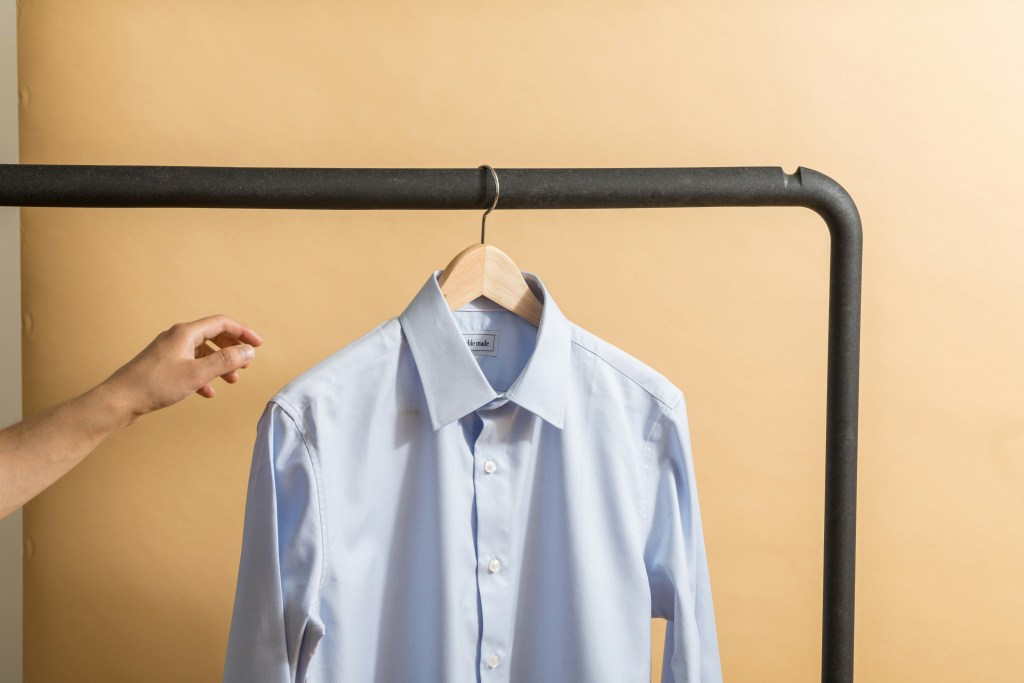
You decide that this sounds reasonable, so you try on the shirt. But it’s much too big. You ask the shop assistant if they have any other sizes; perhaps there are some out the back? The shop assistant replies, “If the shirt is too big, perhaps you need to go to the gym and bulk up a bit. Maybe try drinking some protein shakes. If you were bigger and stronger, then you would fit into the shirt better.”
Understandably, this makes you feel quite annoyed, so you ask to speak to the manager. The manager says, “We have high expectations of our customers in this shop, and a zero tolerance approach. You just need to be more resilient. You need to make the effort to try and fit into this shirt.”
You’re not happy with this, so you leave the shop and walk down the street to another one. When you go inside, you realise they are selling the same shirt, in the same size, but this time it’s blue.
When you explain that the shirt doesn’t fit you, the shop assistant smiles kindly and says “Well, if you wear your shirt every day you will get a special certificate as a reward!”
You try to get through to the shop assistant – getting a certificate isn’t going to help, you just need a shirt that fits you! But they just say “Our data shows this is what works,” and point to a group of customers who are happily wearing the shirt – it seems like it’s about the right size for them.
You leave the shop and try a couple of others. They all sell the same shirt but with slight variations in the colour. You feel you have no choice but to buy one of the shirts, so you pick your favourite colour. But the shirt just doesn’t fit. It’s irritating, it gets in the way, and it makes it much harder to get on with the things you need and want to do.

You go back to the shop to complain. You speak to the manager who says, “Of course, some of our existing customers have special needs so we completely understand. Perhaps we can refer you for an assessment for Clothing Intolerance Disorder. For customers with CID, we usually suggest that you can take a break from wearing the shirt for 15 minutes, twice a day. Or some customers take medication to make them more relaxed, so that the clothing doesn’t bother them so much.”
You try taking breaks as the manager suggests. Having a break is a relief from the stress, but doesn’t actually solve anything. The medication helps a bit, and you’re not as annoyed about wearing the shirt, but it has unpleasant side effects and it wears off after a few hours anyway. This shirt is really causing you a lot of problems, and you think surely there must be some other clothing options?
So you go back to complain again. This time, the manager gives you details of a specialist clothing shop nearby, and explains, “This is only for our customers with severe CID, who really can’t cope with mainstream shirts.”

You head to the specialist clothing shop. This shop is much smaller and quieter with only a few customers and dimmed lighting. But you realise they are also selling the same shirt, except this one is sleeveless. You speak to the shop assistant who explains that they simplified the shirt by making it without sleeves, and this makes it easier to tolerate for customers who can’t wear mainstream shirts.
By now, you are getting quite frustrated. It shouldn’t be this hard to find a suitable item of clothing. In the corner of the shop you notice a separate room. It has no doors and windows and is completely bare. The shop assistant tells you, “This room is for our customers with challenging behaviour. If they get upset about having to wear the shirt, we put them in this room until they calm down. This helps to keep them safe.”
At this point you decide to give up and just make your own clothes at home. But a week later you receive a letter explaining you are being fined for not wearing your shirt, and if you don’t start wearing it you could even be sent to prison.
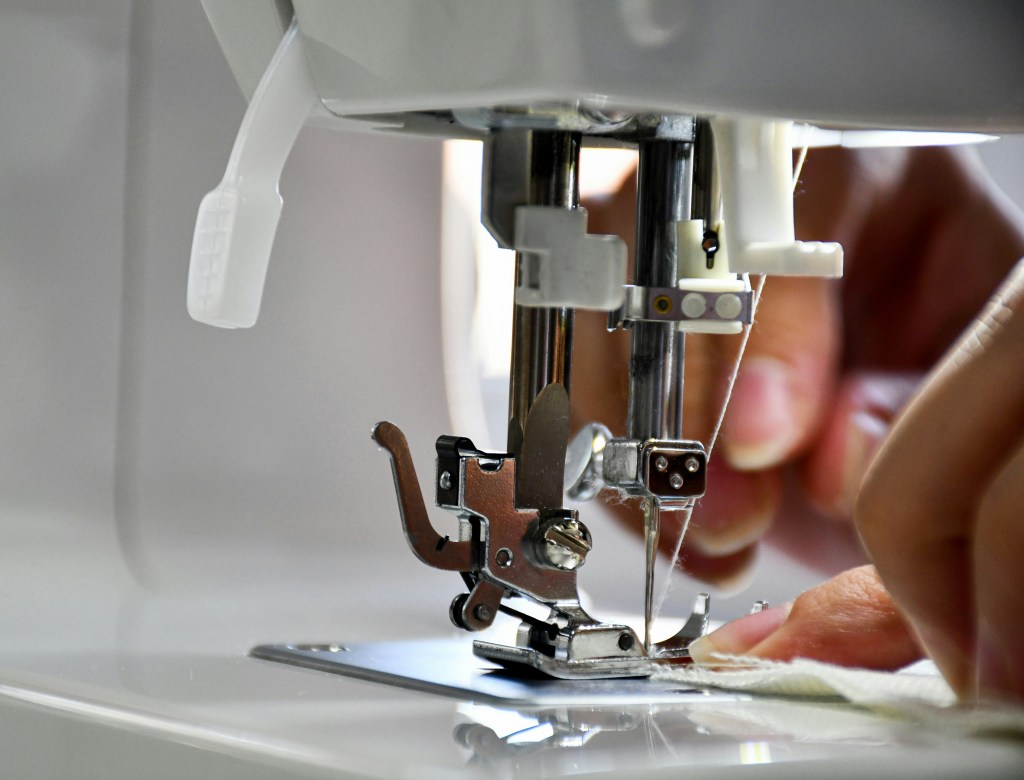
You discover that you can formally register to make your own clothes, so you fill in the required paperwork and get on with making your own clothes. But then you receive a letter explaining that the clothing authority needs to assess that your clothes are suitable and asking to come and visit. In order to be deemed suitable, the clothing needs to be similar to what is available in the shops. You decline the visit (which is within your rights) and instead write them a detailed report explaning how you make the clothing to match your measurements, using your preferred fabric and colour, to demonstrate that it is indeed suitable.
If you are lucky, the officer from clothing authority will understand different methods of making clothes and will accept your report. But sometimes the clothing authority officers have only ever worked in clothes shops selling the standard shirt, and they don’t understand. In this case, they can declare that your clothing is unsuitable, and they even have the power to force you to wear the standard shirt.
This is not how clothes shopping works. This scenario sounds completely ridiculous, inhumane, and unworkable. So why is it how the education system works?


Leave a Reply