
Category: Education
-

Building Neurodivergent-Affirming Cultures of Regulation: Reflections from a Cavendish Space Workshop
Cavendish Space: a way of describing and designing environments that adapt to neurodivergent nervous systems rather than forcing neurodivergent people to adapt to rigid, sensory-hostile, socially coercive spaces. Cavendish Space is the relational space where conditions, context, and capacities interact. At the heart of Cavendish Space is a simple but profound question: do we feel…
-
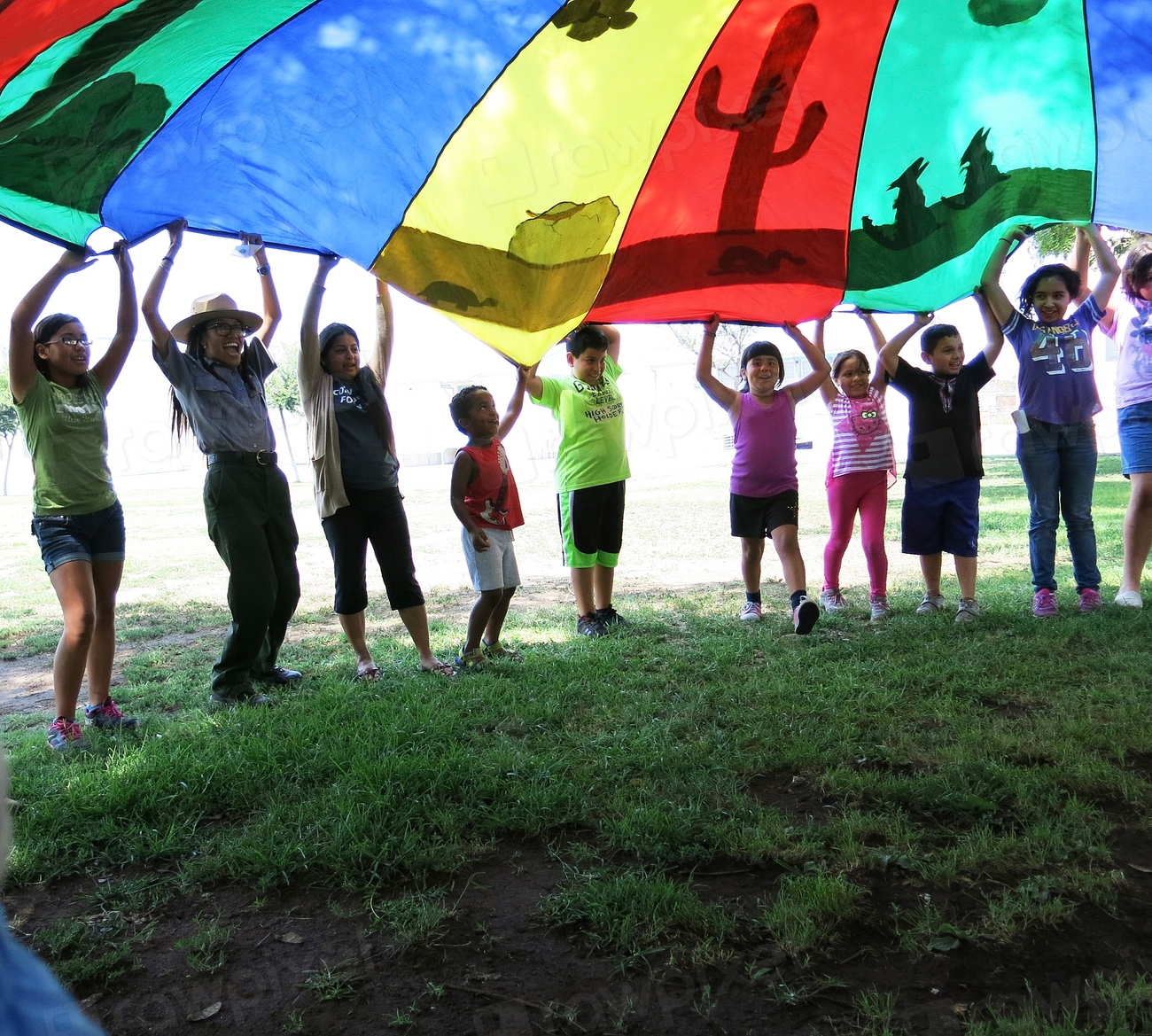
The Incredible Inconvenience of the Neurodivergent to the “Science of Learning”: You’ll Never See Us Through Your Complexity Controls
Neurodivergent people are treated as noise to be filtered out in most studies supporting the “science of learning”. We are discounted as outliers. Our needs and ways of being are deemed too inconvenient to consider. So, the vast majority of studies just ignore us.
-
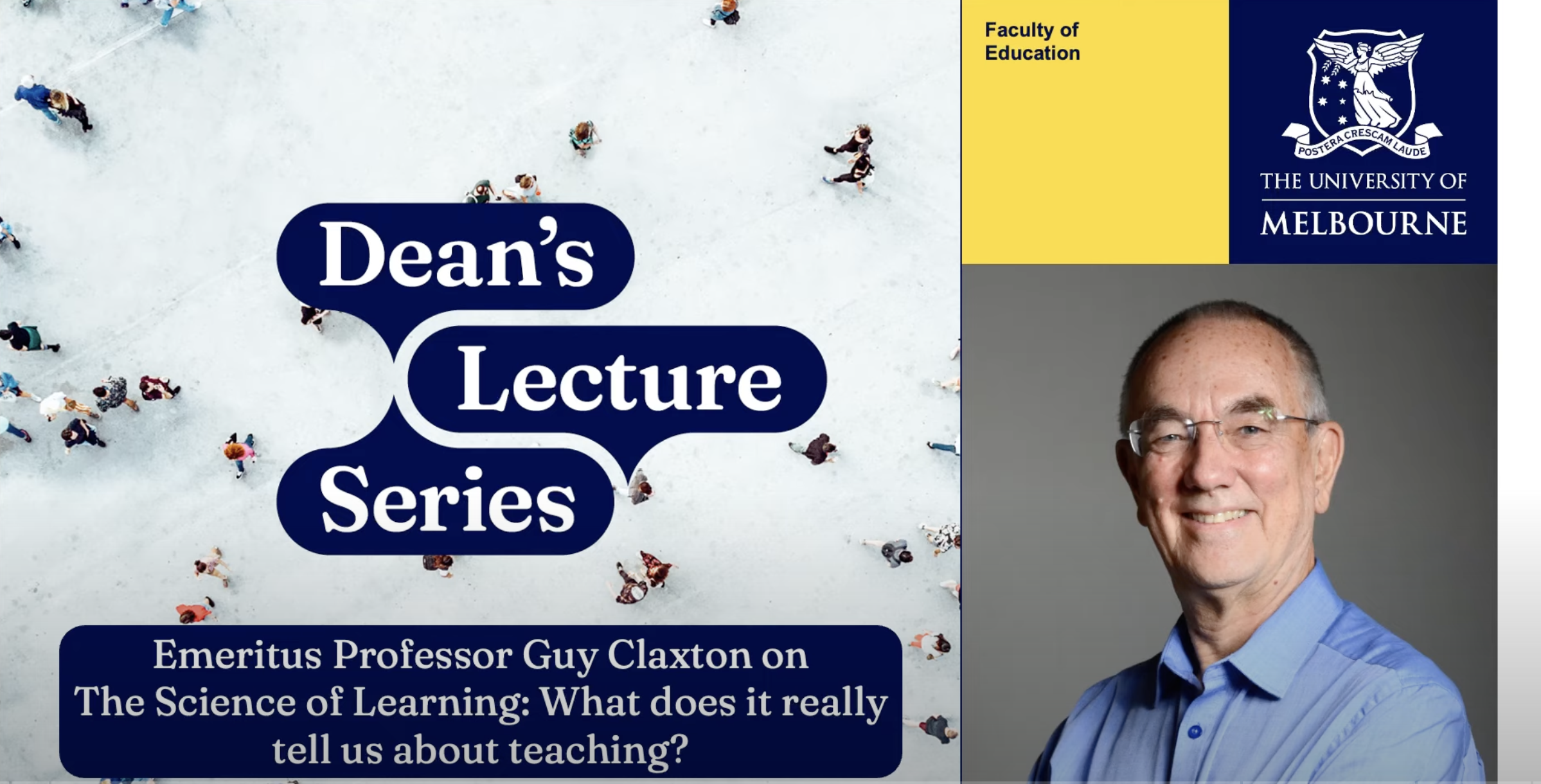
Professor Guy Claxton on the Science of Learning
In this talk, Guy Claxton warns against the scientism and epistemic injustice of “The Science of Learning” and proposes something very much aligned with our notions of collaborative niche construction, toolbelt theory, collaboration, and iteration. These contribute to what Claxton calls “epistemic apprenticeship”.
-

Niche Construction and Toolbelt Theory: Developing the Tools and Terroir of Coping and Learning
Niche Construction focuses on shaping the environment. Toolbelt Theory emphasizes personal tool selection. Together, they promote autonomy, adaptability, and personalized learning experiences.
-

One Size Fits All? A story about the education system.
Zoe Williams is a late identified autistic parent, who writes about autistic identity and culture. Find her on Medium and Mastodon. Imagine that one day you decide to go clothes shopping. You go into a clothes shop and realise that the shop only sells one item of clothing, in one size. Let’s say it’s a…
-

Next Steps as a Community of Resistance
We have a lot of work to do in the USA (and everywhere) to combat what’s coming. Care systems will be attacked. We must build a counterculture of care. Care work makes all other work possible. Here are some next steps for our community at Stimpunks.
-

Instead of metrics, fixate on joy to motivate learning.
Instead of metric fixation, joy fixation. Learning goes where intrinsic motivation leads. Measurement kills curiosity, joy, and intrinsic motivation.
-

With bans on phones and social media, we are disarming students who refuse to swallow the bunting.
Blanket phone bans are a failure to do holistic, systems thinking and adopt structural ideology. Those require community conversation. Those require understanding and recognizing ecosystems. Those require thinking in terms of prevention (in social work terms) instead of tier 1 intervention (in RTI terms). Phone bans are bikeshedding. Phone bans are fundamental attribution error. Phone…
-

Everyone Needs a Properly Equipped Toolbelt to Get Through Life
Phones and tablets and especially laptops are essential tools for navigating modernity. Instead of being banned, they should be baked into the learning experience using toolbelt theory, workflow thinking, differentiated instruction, and Universal Design for Learning. Toolbelt Theory is based in the concept that students must learn to assemble their own readily available collection of…
-

Home Education and De-dogmatising
I first became interested in home education not long after my first child was born. It seemed the natural follow-on from the style of parenting I’d come to embrace (at the time known as ‘attachment parenting’). Typically for an autistic person (although at the time I had no clue I was autistic) I did what…
-

Reading the World: Conspiratorialism, Schismogenesis, and Epistemic Injustice
Inspired by Trevor Aleo’s work, I’ve been reading up on Paulo Freire’s “reading the world”, a concept I like a lot. I feel like Stimpunks work around reframing, epistemic justice, scientism, lateral reading, and critical thinking is much about teaching how to read the world. Reading the world is especially important in our multimedia disinformation…