
Tag: niche construction
-
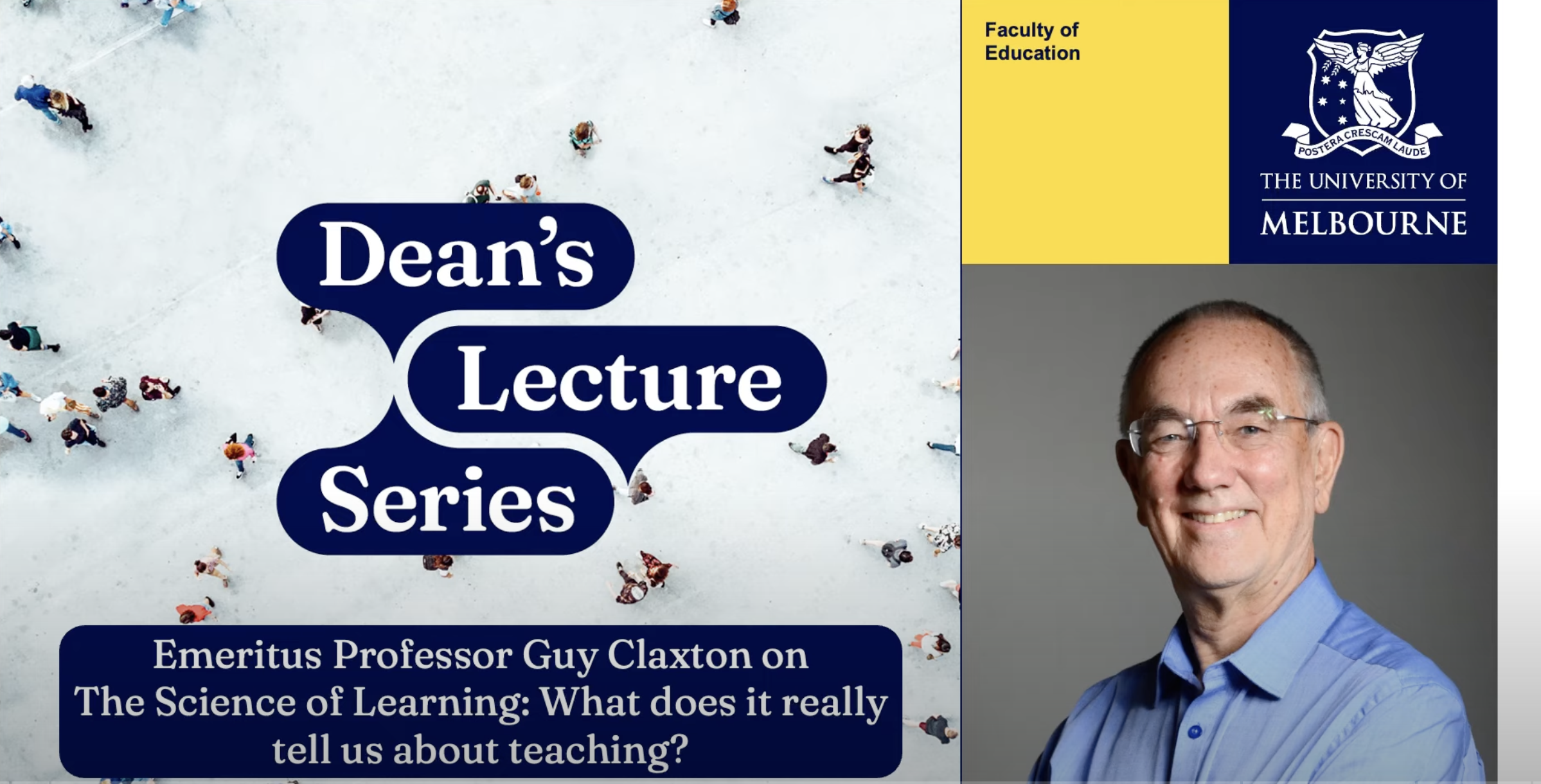
Professor Guy Claxton on the Science of Learning
In this talk, Guy Claxton warns against the scientism and epistemic injustice of “The Science of Learning” and proposes something very much aligned with our notions of collaborative niche construction, toolbelt theory, collaboration, and iteration. These contribute to what Claxton calls “epistemic apprenticeship”.
-

Niche Construction and Toolbelt Theory: Developing the Tools and Terroir of Coping and Learning
Niche Construction focuses on shaping the environment. Toolbelt Theory emphasizes personal tool selection. Together, they promote autonomy, adaptability, and personalized learning experiences.
-

Grant Application Questions and Answers
Here are our answers to the questions on a grant we recently applied for. History When did your group come together and why? Share major accomplishments and tell us about your recent activities, successes, and learning opportunities. Stimpunks was created to forge the way for educational inclusion and to give our community the means to…
-

Punk Is Autistic
The culture of punk is, at its core, authenticity without apology—and that’s exactly what autistic people desire: spaces and cultures where they can be their true selves without the need to mask or conform.
-

Next Steps as a Community of Resistance
We have a lot of work to do in the USA (and everywhere) to combat what’s coming. Care systems will be attacked. We must build a counterculture of care. Care work makes all other work possible. Here are some next steps for our community at Stimpunks.
-

No one is coming to save us. Engage in collaborative niche construction at human scale.
What should we do to survive the current state of the world? “Engage in collaborative niche construction at human scale.” We have work to do. We will support each other. We will build our own ecologies of care and our own competency networks. We will build communities and network rhizomatically.
-

Cavendish Spaces For Multi-Sensory Learners and Those with Profound and Multiple Learning Disabilities
Cavendish learning spaces are based on flexibility, interaction, movement and the role of embodied responsive experiences. We reject the boundaries of traditional classroom settings and look at how they not only restrict embodied experiences but lead to disembodied experiences and can cause harm.
-

For a “Fair” Selection Everybody Has to Take the Same Exam: Please Climb That Tree
Sameness-based equity is a major obstacle to DEIB work. It’s one of our “10 Obstacles to Neurodiversity Affirming Practice”. Instead, we advocate for needs-based equity and collaborative niche construction. Fairness and Equity What’s fair depends on what people need. Explaining Fairness (LEANS resource 5.3) Niche Construction Niche Construction In Nature: Helping to ensure the thriving of an organism…
-
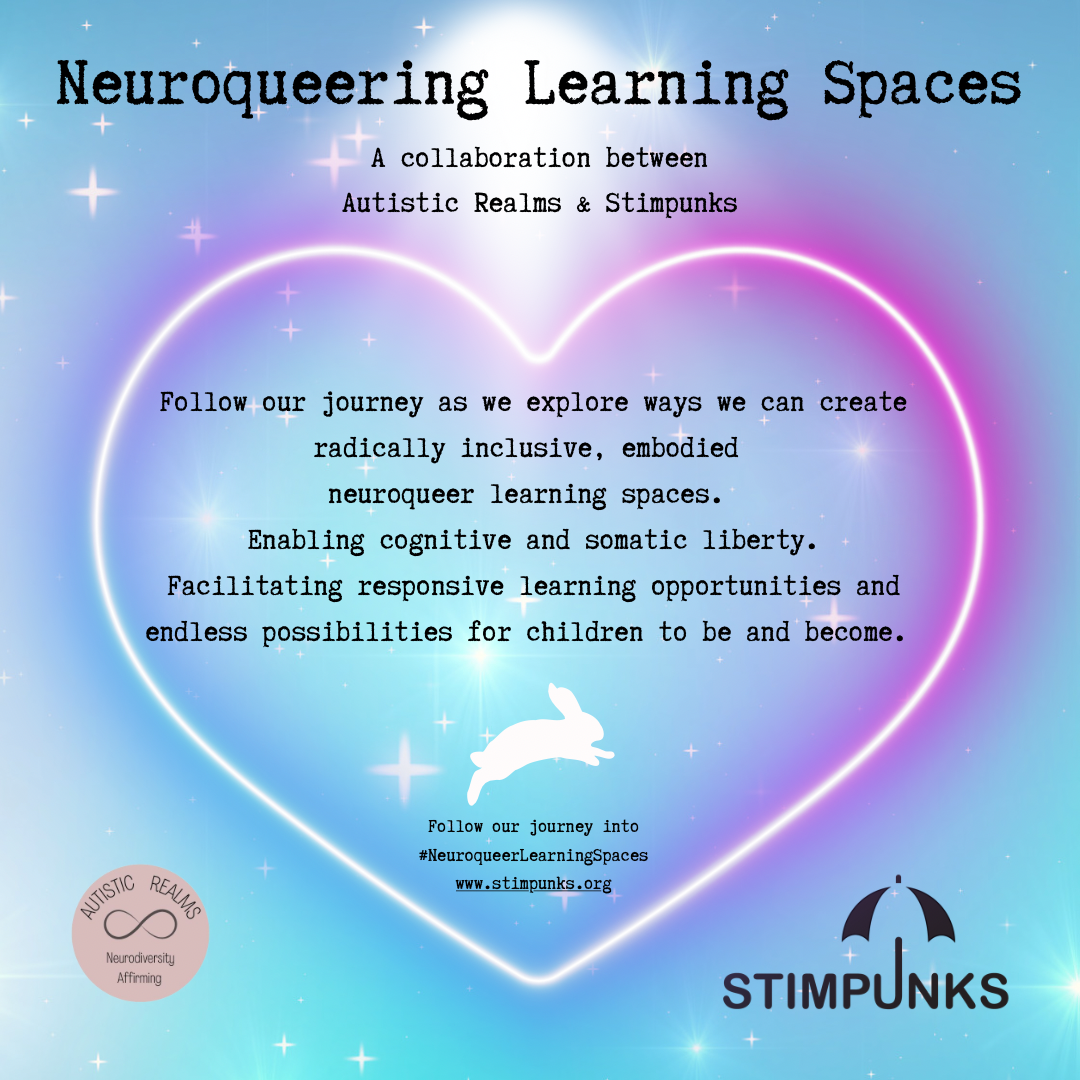
Neuroqueering Learning Spaces: An Exploration
This piece is by Helen Edgar of Autistic Realms. “Intentionally liberating oneself from the culturally ingrained and enforced performance of neuronormativity can be thought of as neuroqueering” Walker, 2021 neuronormativity = a set of norms, standards, expectations and ideals that centre a particular way of functioning as the ‘right way’ to be neuroqueer = subvert, defy, disrupt,…
-

Enhancing Self-Determination with Interdependence, Niche Construction, and Flow
Two important areas of self-determination for us are niche construction and flow. If we aren’t allowed to construct niches so we can achieve flow states, we aren’t sufficiently self-determined. In “Frontiers | Toward understanding and enhancing self-determination: a qualitative exploration with autistic adults without co-occurring intellectual disability”, we detect themes of “let me build my…
-

Changelog: For an autistic person it’s about finding the right niche
For an autistic person ‘it’s about finding the right niche’, because ‘if you have a particular interest, you can really thrive in a particular niche.’ Happier on the outside? Discourses of exclusion, disempowerment and belonging from former autistic school staff We updated “Niche Construction”, “Cavendish Space”, and “⛺️🔥 Cavendish Space: Caves, Campfires, and Watering Holes…
-
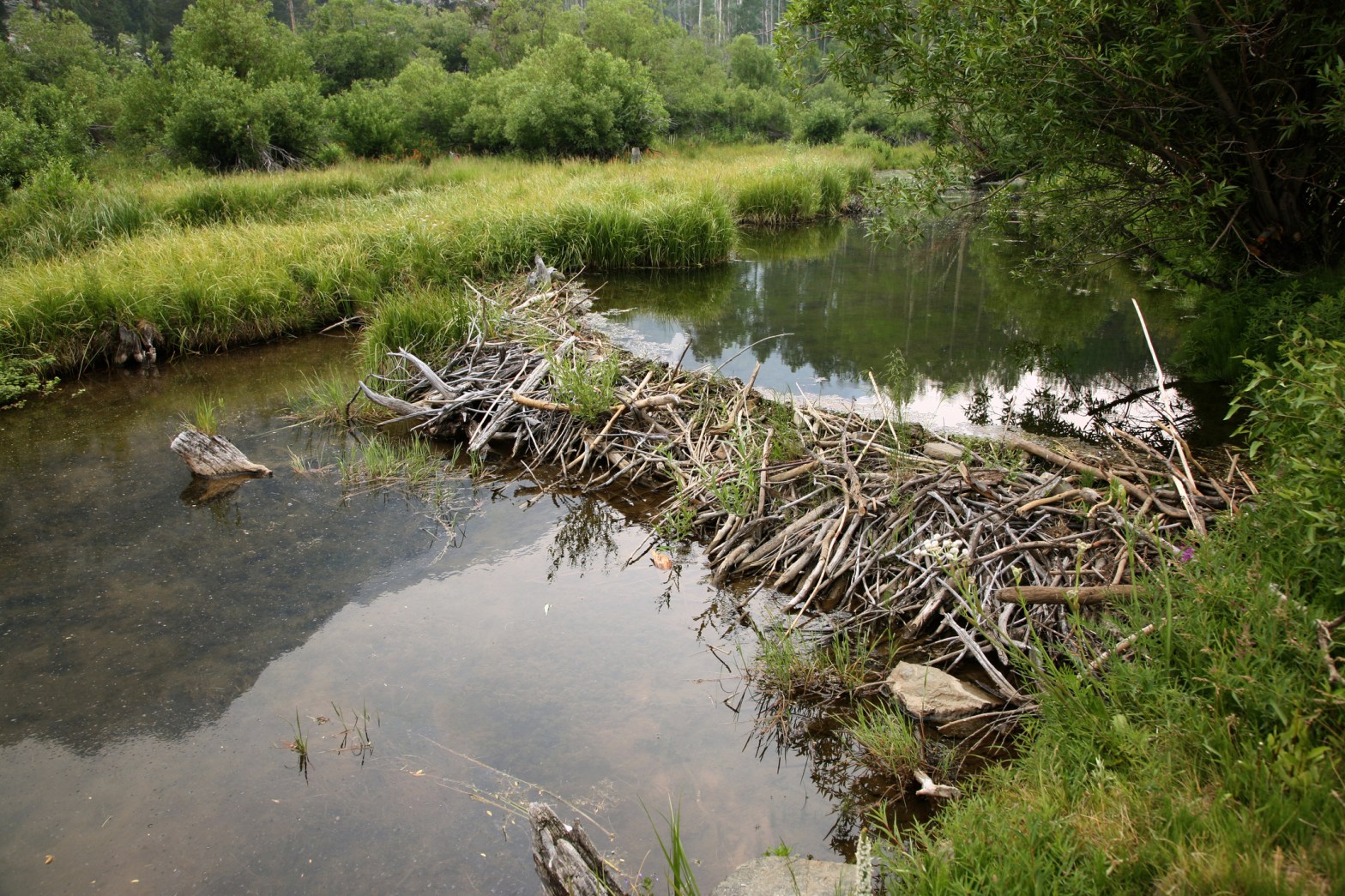
Exceeding Least Restrictive Environment with Niche Construction and the Honor of Legibility
UDL creates a learning environment that is the least restrictive and most culturally responsive, trauma-informed environment for all students .If Equity is a Priority, UDL is a Must | Cult of Pedagogy In our little community of neurodivergent and disabled people, we try to go beyond “least restrictive environment” via “niche construction”. Here’s how we…


