
Disability systems rely on artificial economies of scarcity. Programs are underfunded, so caregivers, teachers, social workers, and disabled people themselves are all pushed to project their needs as necessary and virtuous.
I Shouldn’t Have to Dehumanize My Son to Get Him Support
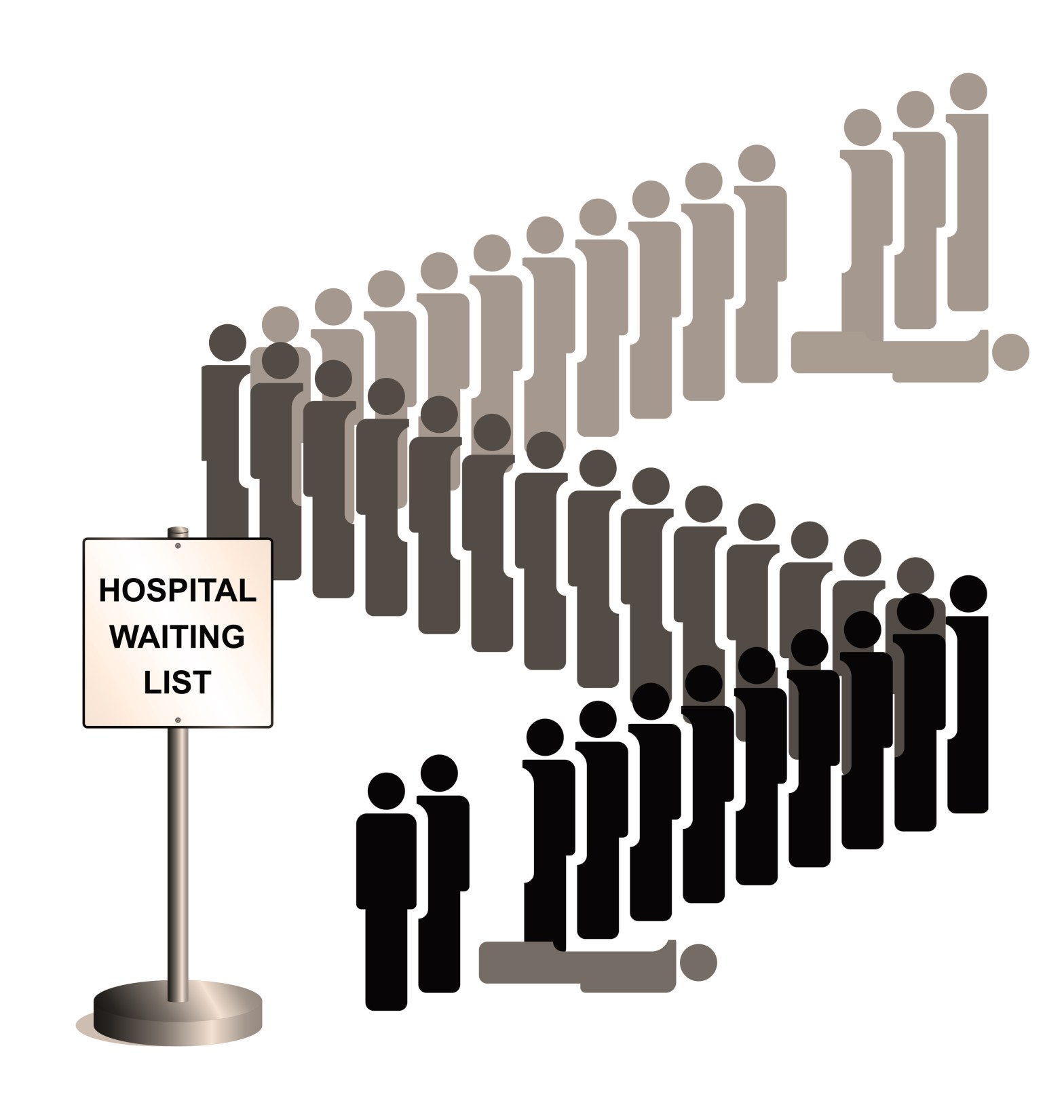
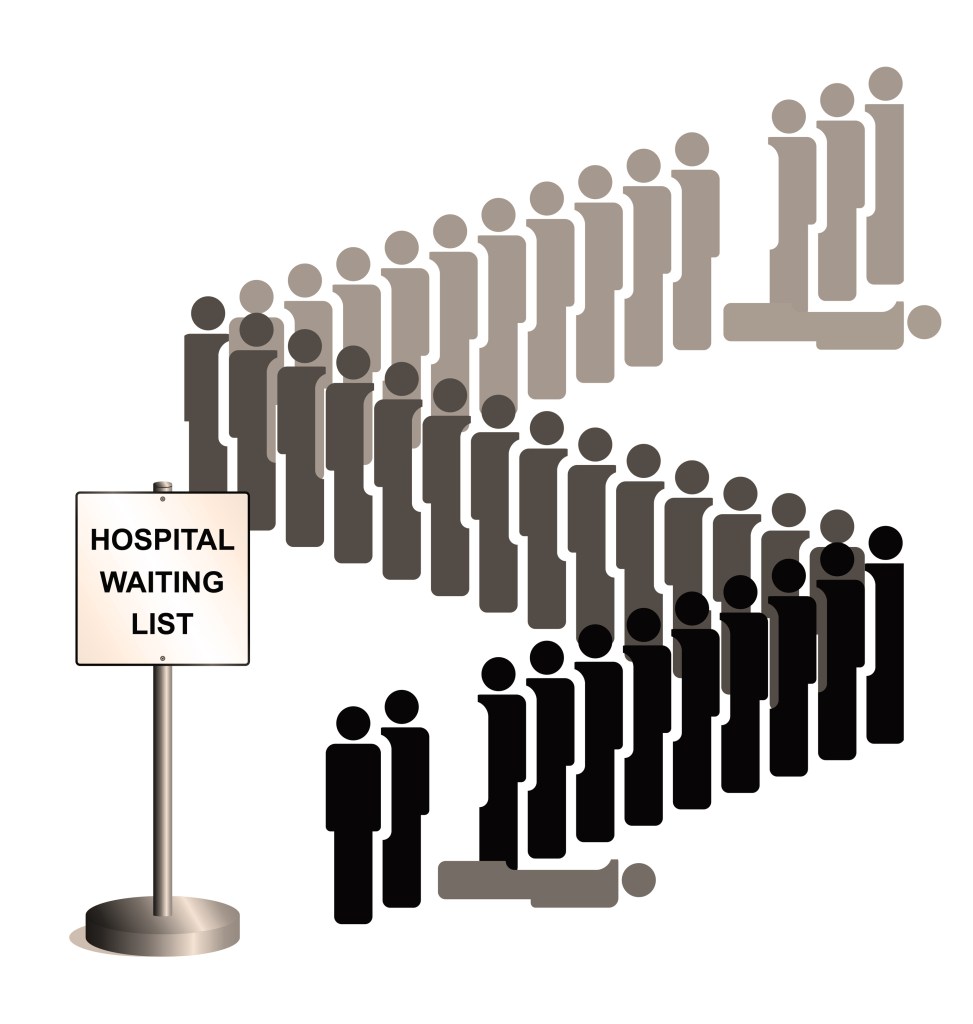
Texas has multiple waiting lists for different types of care, including six for Medicaid waiver programs — which use state and federal funds to get people care in the community instead of in an institution — and one for safety net services provided locally. As of March, nearly 170,000 people were waiting for care through a Medicaid waiver program — a 115 percent increase since 2010. State data shows that some residents have been waiting for nearly 20 years to receive help.
Nearly 200K disabled Texans are waiting for help, some for a decade
State lawmakers have invested some money into the Medicaid waiver programs in recent years to alleviate the waitlist, but the safety net services, meant to serve as a stop gap for individuals waiting for Medicaid waiver programs, were decimated by a 2011 budget cut from the Legislature. Experts say they’ve never recovered.
As of March, about 18,300 people were on that list — up 1,200 percent since 2012. And the state does not track how long people are forced to wait.
This isn’t just a Texas problem. A Kaiser Family Foundation survey published in March found that 39 states have a waiting list for at least one of their Medicaid waiver programs, with more than 665,000 people on such a list nationally in fiscal year 2020. Texas’ waitlist made up about 25 percent of that figure.
Nearly 200K disabled Texans are waiting for help, some for a decade
Texas’ mental health system is strained beyond capacity, with waitlists for hospital beds that stretch on for sometimes up to a year. The state’s lack of oversight is so extreme that officials were unable to say which private hospitals received state funds for bed space to help reduce the waitlist. The state just started collecting that information in September.
The state’s 10 public mental hospitals are supposed to be a kind of last safety net for the ill and indigent, but many of them are chaotic and dangerous places, where police visit up to 14 times a day. And that’s for people lucky enough to find a bed.
Advocates say states should have 50 public psychiatric hospital beds per 100,000 population, but Texas has fewer than 8 per 100,000. The waitlist for a state bed in Texas grew nearly 600 percent from 2012 until the start of the COVID-19 pandemic, which has only exacerbated the shortages.
In Crisis, Part 1: How Texas fails the mentally ill – Houston Chronicle
With a 200k person waitlist, families are counseled to put their loved ones with intellectual and developmental disabilities on all 6 Medicaid waiver lists. What they’re not counseled for coming to the top of lists and being denied again and again
“Why do we have the parents going through (this)? You’re creating all this extra churn and stressing the heck out of the most vulnerable people.”
Disabled Texans face arduous process waiting for the state’s help
It took 14 years of waiting and several false starts.
“Meanwhile, people who have never been able to work or haven’t worked ‘enough’ are given ONLY SSI, which leaves them in inescapable poverty for potentially the rest of their lives,” endever star said over e-mail. “This is a very blatant expression of the way society views access to supports—there’s an idea that we have to earn our supports or prove that we’re worthwhile human beings in order to access them.”
We’re Not Broken: Changing the Autism Conversation
To add another layer of difficulty, the process for obtaining SSI benefits is baffling and as discouraging as possible.
We’re Not Broken: Changing the Autism Conversation
In July, the @HoustonChron published an investigation that found there were nearly 200,000 Texans waiting for intellectual and developmental #disability services. The wait can last up to 20 years for some. How is this pro-life, gov.?
This is a public service announcement… with guitar!
Know Your Rights
You have the right to food money
Providing of course you
Don't mind a little
Investigation, humiliation
And if you cross your fingers
Rehabilitation

Know your rights
These are your rights

-- Know Your Rights by The Clash
Disability systems rely on artificial economies of scarcity. Programs are underfunded, so caregivers, teachers, social workers, and disabled people themselves are all pushed to project their needs as necessary and virtuous.
I SHOULDN’T HAVE TO DEHUMANIZE MY SON TO GET HIM SUPPORT
Revolution rock
Yeah so, get that cheese grater going
Against the grains
Wearin' me down
Pressure increase
Everybody!

Revolution Rock by The Clash
Bodies ride the waves
Somebody's gonna have to pay
Bodies, living on the shore in their sandcastles
Bodies, sea is getting rough and the walls rattle
Bodies, come with the tide
Nowhere left to hide
Bodies
Bodies
A thousand thoughts ride the waves
Can't save nobody, I'm too late
Bodies, no one cares about the coming last battle
Bodies, wavеs crashing down and the ocean swallows
Bodies
Whеre you gonna hide the bodies?
Bodies
Hey-oh-hey-oh

On the shore living in sandcastles
No one cares about the coming last battle
Sea is getting rough and the walls rattle
Waves crashing down and the ocean swallows
Bodies
Bodies

--Bodies by Rabbit Junk


