
Neurodivergent environments do not appear by accident. They are built through collaborative niche construction — people shaping environments together until those environments support the diversity of human minds.
This idea sits at the center of the Stimpunks Design Method. Instead of forcing people to adapt endlessly to rigid environments, Stimpunks asks how environments can evolve to fit the people who live in them.
Environment fit is not something individuals must achieve alone. It is something communities design together.
The Core Idea
In biology and cognitive science, niche construction describes how organisms actively shape the environments they inhabit rather than simply adapting to them.
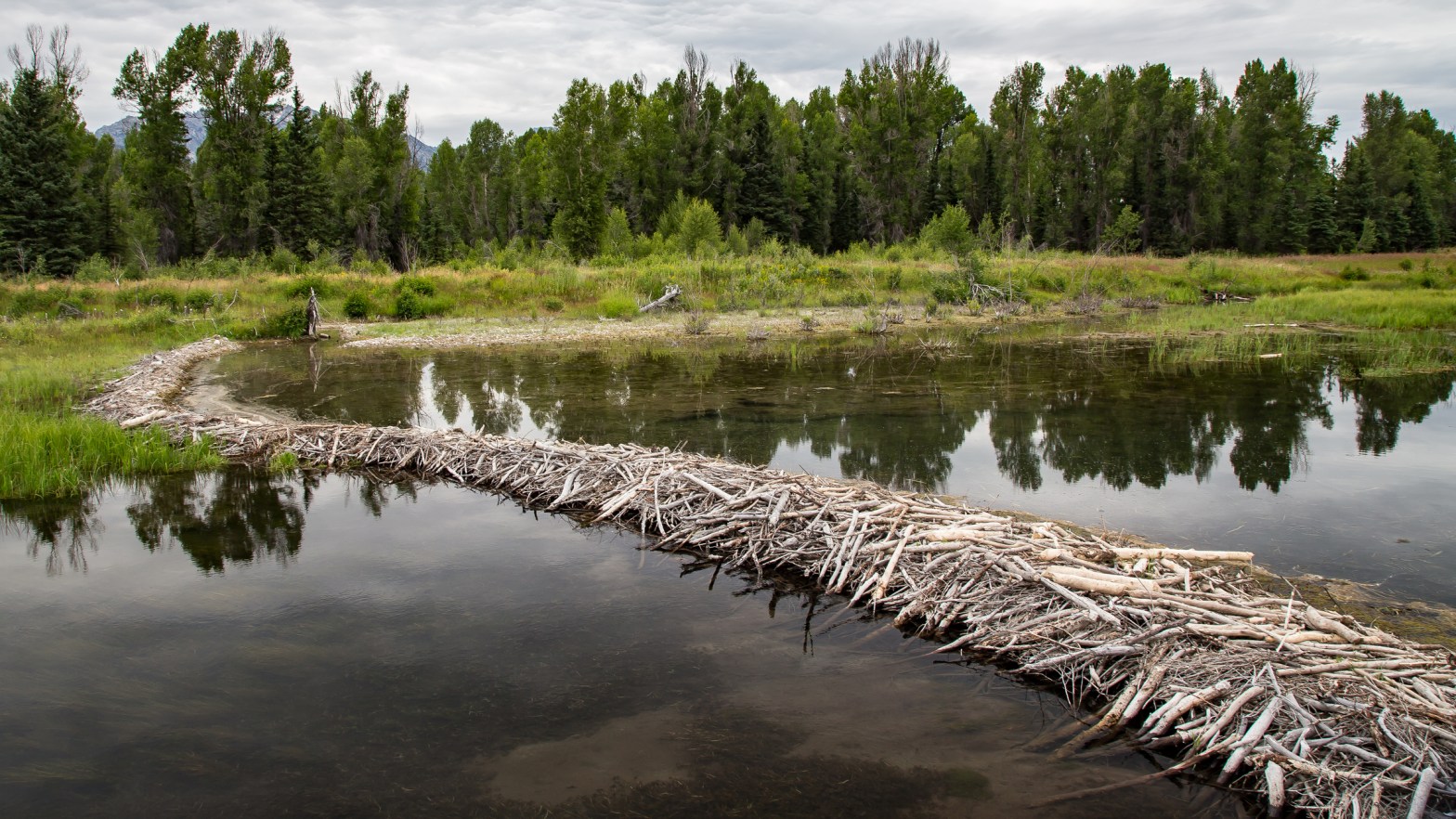
Beavers build dams. Birds build nests. Humans build classrooms, workplaces, cities, and digital communities.
Neurodivergent people often struggle not because they are broken, but because many environments were designed around narrow assumptions about how minds work.
Collaborative niche construction asks a different question:
How do we redesign environments so more kinds of minds can thrive?
The Environment Fit Loop
This diagram shows how Stimpunks connects lived experience, design, and systems change through collaborative niche construction.
(sensory overload, burnout, deep attention)
↓
Patterns
Monotropism · Sensory Load · Processing Time · Social Energy
↓
Environment Fit
Does the environment support how minds actually work?
↓
Collaborative Niche Construction
Communities redesign environments together
↓
Cavendish Space
Attention-friendly · regulation-supportive · consent-based environments
↓
Better Systems
classrooms · workplaces · communities built for neurological diversity
From Environment Fit to Niche Construction
The Stimpunks pattern language shows that many neurodivergent struggles emerge from mismatches between people and environments.
- Monotropism — attention that concentrates deeply
- Sensory Load — overwhelming sensory environments
- Processing Time — needing time to think
- Social Energy — social interaction consuming energy
- Environment Fit — environments supporting or fighting cognition
When these patterns are ignored, people are forced to adapt themselves through masking, exhaustion, and burnout.
Collaborative niche construction flips the model:
Instead of changing people
we redesign environments.
The Stimpunks Design Loop
Experience
↓
Pattern
↓
Collaborative Design
↓
Environment
↓
Better System
This loop appears across the Stimpunks framework.
- People describe experiences in Experiences of Neurodivergent Life.
- Patterns are documented in the Pattern Library.
- Patterns combine into design strategies in Pattern Recipes.
- Designs reshape classrooms, workplaces, and communities in Neurodivergent Environments.
Cavendish Space
The concept of Cavendish Space is a practical example of collaborative niche construction.
Cavendish Spaces are environments intentionally designed to support neurodivergent cognition and participation.
- spaces for deep attention
- sensory regulation
- parallel participation
- consent-based interaction
- multiple communication channels
They emerge when communities consciously shape environments around real human needs rather than inherited assumptions.
Why Collaboration Matters
No single designer can fully understand the needs of a diverse community.
Collaborative niche construction recognizes that the best environments emerge when the people affected by them participate in designing them.
- disabled-led design
- participatory design processes
- iterative experimentation
- community feedback loops
This principle connects to the Stimpunks philosophy of Nothing About Us Without Us.
The Deeper Shift
Many institutions operate under a hidden assumption:
People must adapt to the environment.
Stimpunks proposes a different model:
People and environments evolve together.
This shift turns accessibility from an afterthought into a core design principle.
Explore the System
- The Stimpunks Design Method
- The Stimpunks Design Language
- Core Patterns of Neurodivergent Life
- Pattern Recipes
- Designing Neurodivergent Environments
- The Stimpunks Stack
Collaborative niche construction is how communities build environments where more kinds of minds can flourish.


