
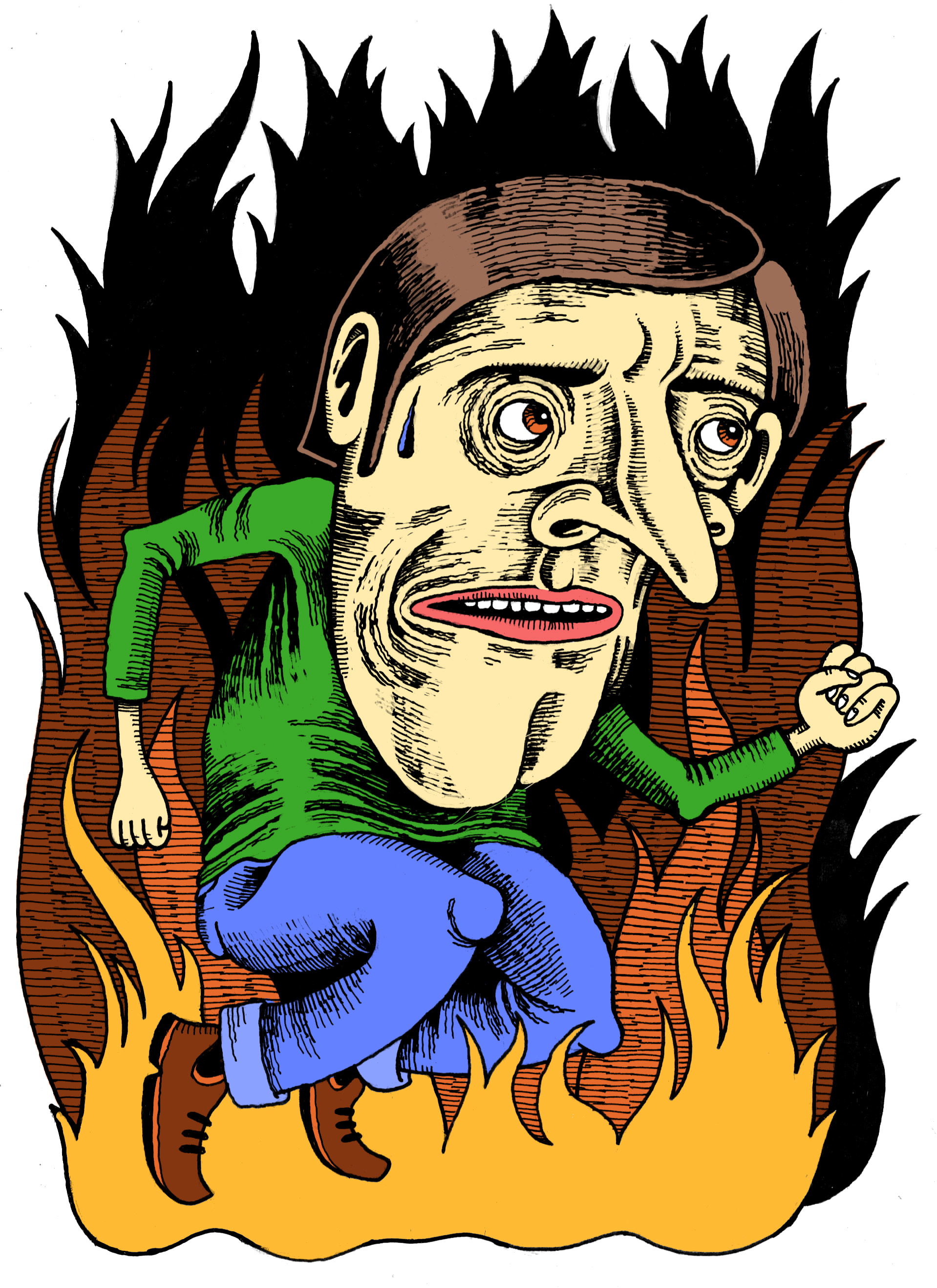
Autistic burnout is a state of profound exhaustion, loss of function, and heightened sensitivity that results from sustained periods of cumulative demand. It is not the same as ordinary tiredness. It is not depression. It is not regression. It is what happens when an Autistic person’s resources are exhausted beyond measure — and the environment keeps demanding more.
Burnout can emerge after prolonged masking, unaccommodated sensory environments, continuous social performance, or the compounding pressure of trying to function in systems not designed for Autistic nervous systems. Recovery is not quick. Burnout is a signal that the environment has been unsustainable for a long time.
What It Can Feel Like
- losing abilities or skills that were previously manageable
- words becoming harder to find or speak
- tasks that used to be routine becoming impossible
- heightened sensitivity to sensory input
- emotional dysregulation that feels disproportionate to the situation
- a need to withdraw from people, places, and activities
- feeling profoundly empty rather than simply tired
- shutdowns becoming more frequent or harder to recover from
- a sense that one’s former self is no longer accessible
Autistic burnout does not always look dramatic from the outside. It can appear as going quiet. Canceling things. Not responding. Losing interests. What looks like withdrawal is often a nervous system protecting what little remains.
Patterns Behind This Experience
Pattern 11 — Burnout Threshold
Pattern 08 — Masking Pressure
Pattern 10 — Energy Accounting
Pattern 03 — Sensory Load
Autistic burnout does not arise from a single event. It accumulates. Each day of masking, navigating inaccessible environments, translating communication across neurological difference, and suppressing natural behavior draws from a finite reserve. When that reserve is exhausted without adequate recovery, burnout follows.
Burnout is not a character flaw. It is a predictable outcome of asking too much, for too long, without enough support.
See: The Ecology of Neurodivergent Burnout · Masking Fatigue · Energy Crash
Common Misreadings
Autistic burnout is often misunderstood as:
- laziness or lack of effort
- depression alone (though they can co-occur)
- developmental regression
- a behavior problem to address
- choosing to withdraw
- overreacting to ordinary stress
These interpretations locate the problem in the Autistic person. The actual problem is usually the load the environment has placed on them — often for years, without recognition or relief.
When skills are lost, that is the nervous system conserving resources, not permanent damage. When someone withdraws, that is a protective response, not indifference. When recovery takes months, that is commensurate with the duration of the overload, not a lack of resilience.
This is one reason Stimpunks insists on Broken Systems, Not Broken People.
Design Responses
If Autistic burnout is a recurring experience in a person’s life, the answer is not more effort from the person. The answer is reducing the ongoing demands the environment places on them.
- lower chronic masking pressure by accepting Autistic communication and behavior as valid
- build in genuine recovery time, not just brief breaks within high-demand routines
- reduce the accumulation of sensory load across the day
- remove expectations of constant social availability and performance
- treat reduced function during burnout as a signal to reduce demand, not increase it
- provide predictable, low-pressure environments that do not require continuous vigilance
- believe people when they describe their experience; burnout is often invisible
Supportive environments often resemble what Stimpunks calls Cavendish Space: places where people can exist without constant performance, where recovery is resourced, and where demands are matched to what someone can actually sustain.
See: Designing Recovery Cycles · Regulation First · Preventing Autistic Burnout
Related Stimpunks Pages
- Burnout & Sensory Safety
- Preventing Autistic Burnout
- Masking Fatigue
- Energy Crash
- Autistic Burnout (Glossary)
- Pattern 11 — Burnout Threshold
- Pattern 08 — Masking Pressure
Explore More Experiences
- Masking Fatigue
- Energy Crash
- Social Exhaustion
- Sensory Overload
- Lived Experiences of Neurodivergent Life
Autistic burnout is not a personal failure. It is the predictable result of environments that ask for more than they give back.